International society sports nutrition
When hard-training athletes don’t eat enough, they may experience a condition known as Relative Energy Deficiency in Sport, or RED-S.3,5,6 Besides leading to a decline in athletic performance, RED-S can negatively affect an athlete’s:
The United States Olympic & Paralympic Committee’s sport nutrition team is uniquely positioned to bring today’s best practices to the forefront New Bitcoin casinos. Each sport dietitian within the team brings a high level of expertise to the sports they support. They utilize science as the foundation for performance enhancement and health optimization, taking a food-first approach and tailoring nutrition advice for each individual athlete’s fuelling, hydration, and recovery needs.
Whole grains are also a great source of protein, as long as they keep their fiber in them. One of the things that dietitians often think about when we’re working with a vegetarian or vegan is complementing their protein. If they have a bean or a legume with a grain, that’s a great way to make sure that they’re getting all the essential amino acids throughout the day.
One of the roles of sports nutritionists is to help debunk these myths and provide athletes with accurate information. Here are three of the top sports nutrition myths — and what the facts really say.

Armed sports nutrition
To figure out the amount of carbohydrate you need, multiply your weight in pounds by 2.2 to get your weight in kilograms then based on that you’ll need 6–10g of carbs per kg of bodyweight. If you have an intense or long workout, you’ll need more than 90 grams of carbohydrates per hour.
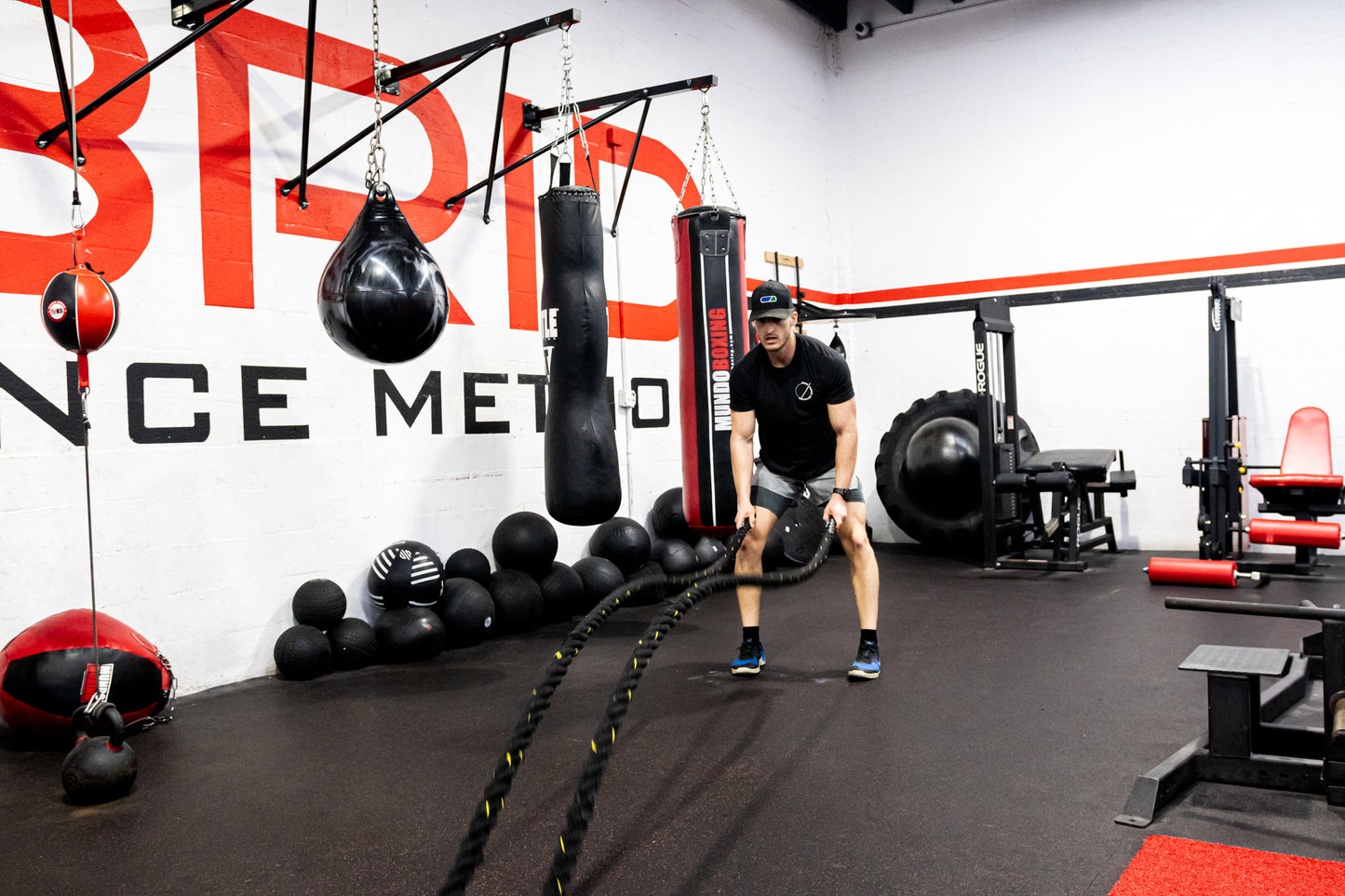
These are all important to the overall health and well-being of a tactical athlete. Aside from maintaining absolute strength and endurance, tactical athletes are subject to a number of stressors and challenges.
Each batch will be tested against Informed Sport’s standards via paper-based assessment; once this stage of the program has been successfully completed, they will be awarded certification and can use the Informed Sport logo on their packaging.
To figure out the amount of carbohydrate you need, multiply your weight in pounds by 2.2 to get your weight in kilograms then based on that you’ll need 6–10g of carbs per kg of bodyweight. If you have an intense or long workout, you’ll need more than 90 grams of carbohydrates per hour.
These are all important to the overall health and well-being of a tactical athlete. Aside from maintaining absolute strength and endurance, tactical athletes are subject to a number of stressors and challenges.
Sports nutrition database
The increased popularity of the bikini-physique competitions has not translated to greater research identifying the influence of age on adaptations during contest preparation. The purpose of this case series w…
Carbohydrate (CHO) ingestion enhances exercise performance; however, the efficacy of CHO intake on repeated bouts of exercise simulating a taekwondo tournament is unknown. Therefore, the purpose was to compare…
Increasing nitric oxide bioavailability may induce physiological effects that enhance endurance exercise performance. This review sought to evaluate the performance effects of consuming foods containing compou…
Although there is a plethora of information available regarding the impact of nutrition on exercise performance, many recommendations are based on male needs due to the dominance of male participation in the n…
Deixe um comentário